Recipes & Insights

Apple & Chestnut Shira-ae
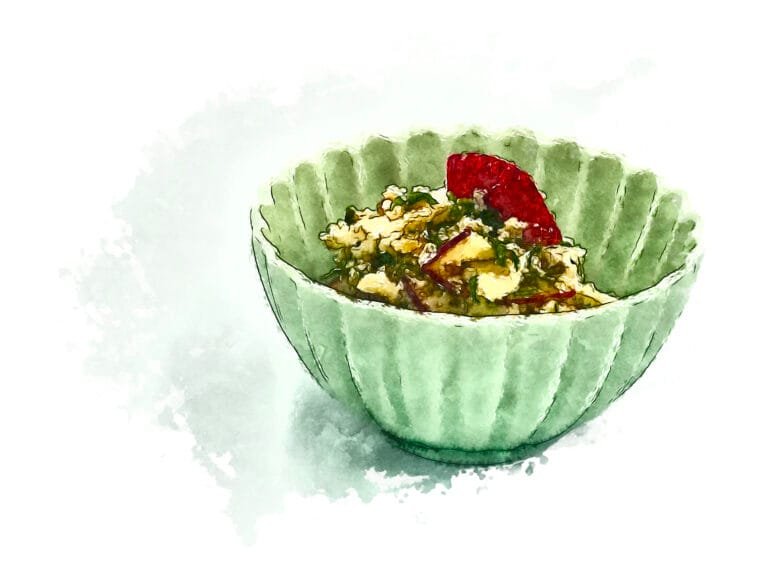
Watercolor image of a bowl of apple and chestnut with tofu dressing (shira-ae).

As autumn arrives, the natural rhythm of seasonal change is undeniable. The opportunity to celebrate fall's unique gifts is calling. Shōjin ryōri teaches us that each season offers its own medicine, its own particular way of nourishing body, mind, and spirit. This recipe for Apple & Chestnut Shira-ae bridges ancient wisdom and autumn's abundance. By applying this centuries-old technique to fall's most celebrated ingredients, we create a dish that honors both the season's gifts and the Buddhist practice of acknowledging that all we need is what we have in this moment.
Maitake Mushroom Rice

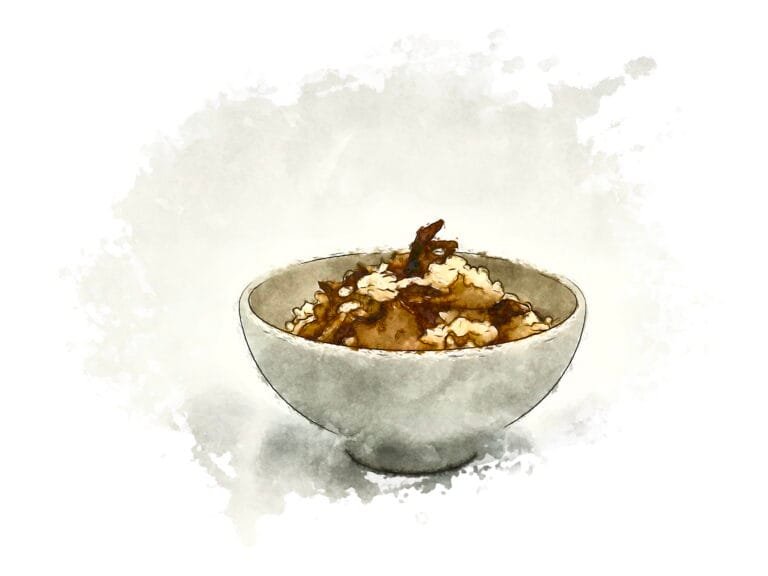
A white ceramic bowl filled with warm maitake mushroom rice.

Mushrooms such as maitake mushrooms are second only to pumpkins in the collective imagination when it comes to the autumn season. In Japan there are numerous dishes that capture their essence, but perhaps none better than kinoko-no-takikomi-gohan (mushroom rice). This dish is a wonderful addition to any Fall dinner, not only for its seasonality, but also for the opportunity it provides to practice mindfulness and gratitude for what we have.

Braised Kabocha Squash

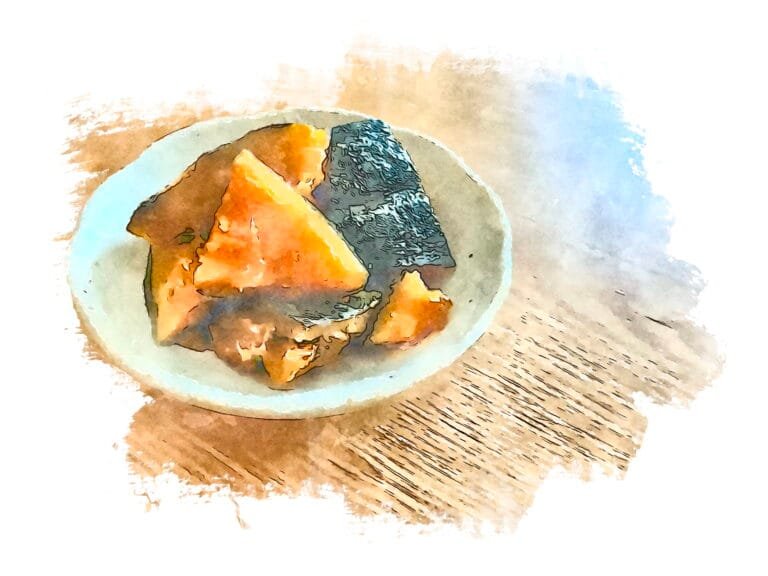
Watercolor-style illustration of braised kabocha squash pieces arranged on a cream-colored ceramic plate. The golden-orange squash segments show caramelized edges from braising, alongside what appears to be kombu seaweed. The artistic rendering emphasizes the natural colors and textures of this traditional shōjin ryōri preparation.

The Japanese term for braised dishes is nimono (煮物, nee-moh-noh), which is one of the five methods prescribed by the fundamental principle of shojin ryori—and Japanese cuisine in general—known as gomi-goshoku-goho. Braised kabocha pumpkin is a classic example of this way of cooking, and perhaps the most widely known as well. Kabocha's primary season is from September through December, but there is also a secondary harvest around June. That is a good thing, because this dish is so good you will want to eat it as often as you can get your hands on them.

Carrot Nukazuke (Rice Bran Pickles)

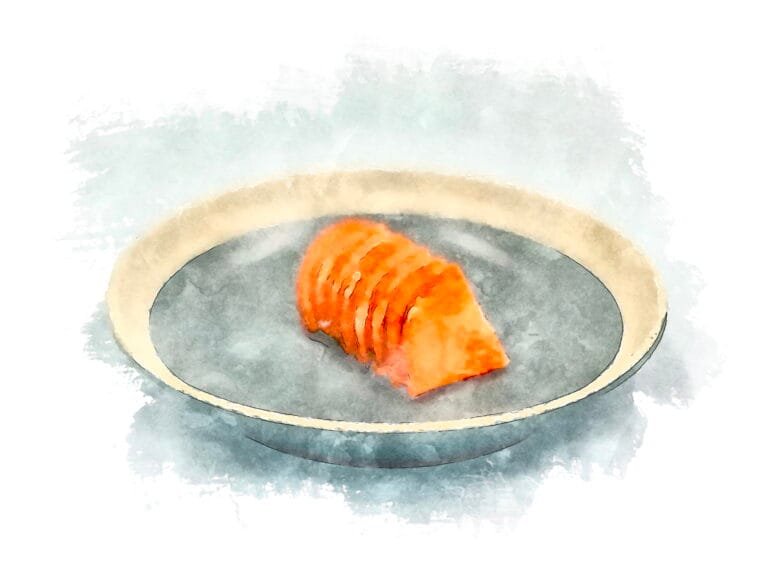
Watercolor treated photograph of sliced carrot rice bran pickles on a black ceramic plate with an off-white rim.

Nukazuke is a Japanese pickling method born from frugality and necessity. The primary ingredient of the pickling bed (nukadoko) is rice bran (nuka), which is the by-product of polishing rice. Simply discarding it would be mottainai, wasting the rice bran's potential. And rice bran's potential is significant: its use came into practice during the Edo Period (1603-1868) as a solution to the population-wide vitamin B1 deficiency that was the result of polishing rice to remove the bran.