Category Recipes

Roasted Soybean & Cabbage Soup
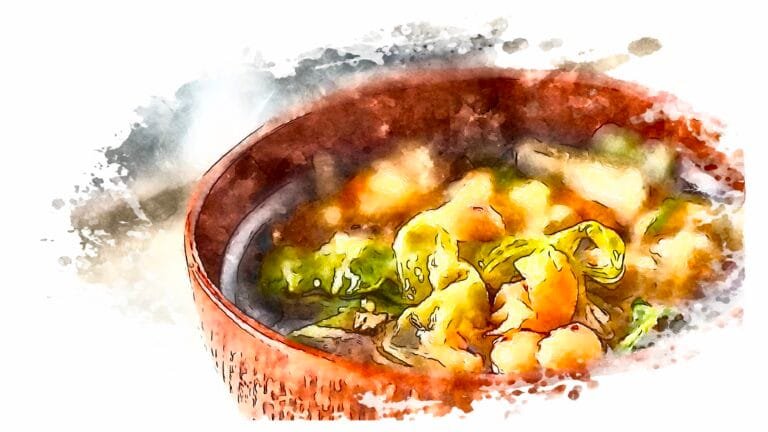
Roasted soybean & cabbage soup served in a wooden Japanese bowl.

大豆とキャベツのスープ This recipe for roasted soybean and cabbage soup is one that I like to prepare as the summer turns to autumn, the color of the leaves on the trees transitions, and the temperature drops outside. It is the perfect…
Japanese Ginger Rice with Shiso

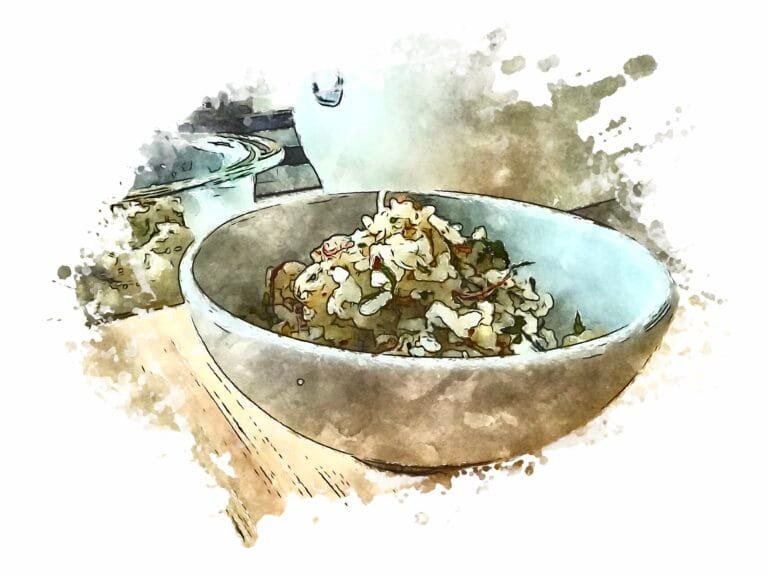
A bowl of mazegohan (mixed rice) with myoga (Japanese ginger), shiso, and toasted sesame seeds.

This dish is loosely based upon one that was served in the shokudo (食堂・food hall) at Enryaku-ji Gyo-in where I lived for two months while training in Taimitsu (台密・Tendai Esoteric Buddhism). The ingredients have changed, but the lesson hasn't: work with what is available to you, right here, right now.

Dashi Marinated Japanese Eggplant

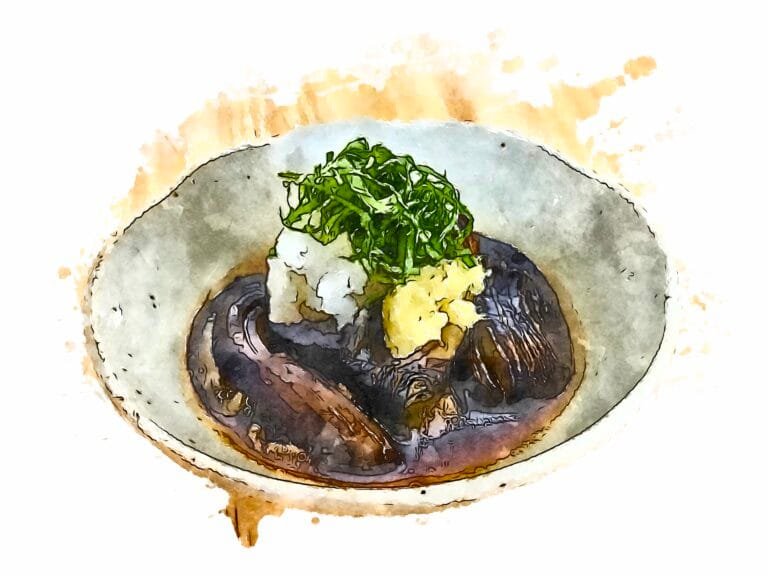
Marinated fried eggplant (agedashi nasu) in an off-white ceramic bowl.

Japanese eggplant, dashi, soy, mirin. Four ingredients — nothing exotic, nothing rare. That is entirely unnecessary. The technique: eggplant is fried until just golden, then marinated in hot broth that slowly permeates it to the core.In the hands of an attentive cook, fully present in the moment, this produces something greater than the sum of its parts.

Green Beans Goma-Ae

Green beans tossed with black sesame dressing (goma-ae) served in an off-white bowl.

The role of the cook when preparing this dish is to bring attention to the work at hand: first understanding the inherent flavors and textures of each ingredient, and then working mindfully to preserve these qualities by doing only what is necessary. The color and snap of the green beans are but one example. The final point of attention is bringing everything together, harmonizing the individual components into one balanced whole. Cooking as practice

Asparagus with Karashi-Miso Sauce

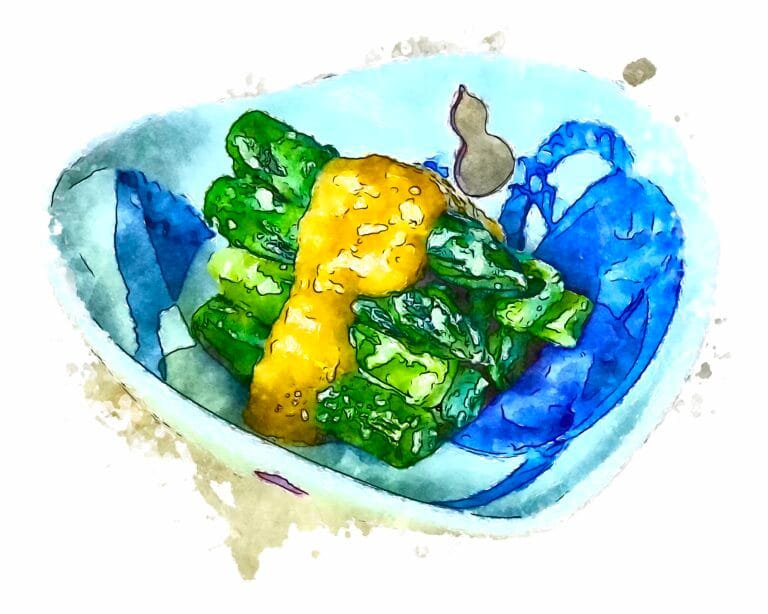
Watercolor treated photograph of asparaguse dressed with karashi-miso sauce in a curved blue and white bowl.

In May, the asparagus that comes out of Hokkaido is thick, sweet, and faintly grassy at the tip. The vegetable is delicious boiled or roasted then eaten as is. But when combined with complementary flavors in a balanced manner, the sum of the individual components becomes even greater. There is no better proof of that than this pairing of asparagus with karashi-miso.

Spring Vegetable Tempura

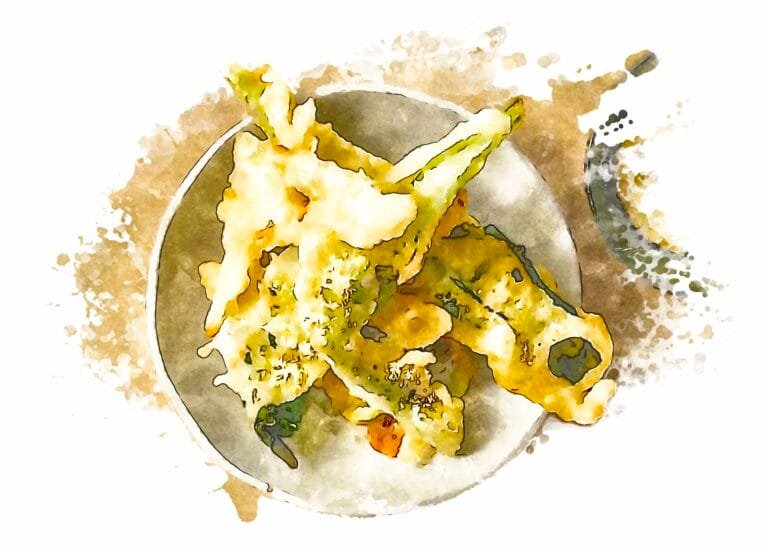
A plate of crispy spring vegetable tempura.

Most people think of tempura as a Japanese dish. Few know the word itself is derived from Portuguese. Jesuit missionaries arrived in Nagasaki in the mid-sixteenth century and brought with them the practice of frying vegetables in batter during Lent and the quarterly fasting periods they called têmporas — the Ember Days. The vegetables that they fried became the prototype for what Japan would eventually make its own.

Okayu : A Monk’s Breakfast

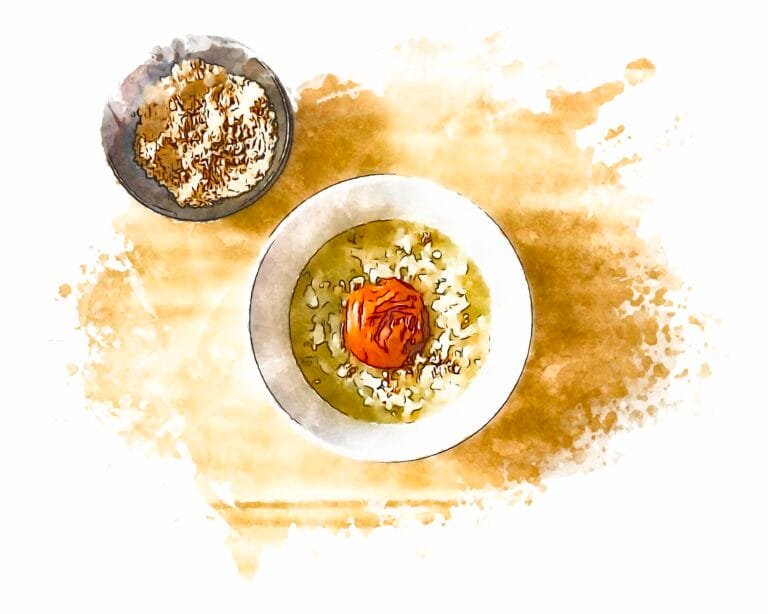
A bowl of okayu rice porridge with an umeboshi plum in the center, and sesame salt served on the side.

This okayu recipe is deceptively simple. Rice porridge stripped to its barest elements: grain, water, heat, time. Its history stretches back over 1,200 years: the earliest written record comes from Tōdai-ji Temple in Nara in 752 CE. The austere version that I am sharing today descends from this monastic tradition, and continues to be the first meal served each morning in Buddhist monasteries across Japan.

Lotus Root Salad

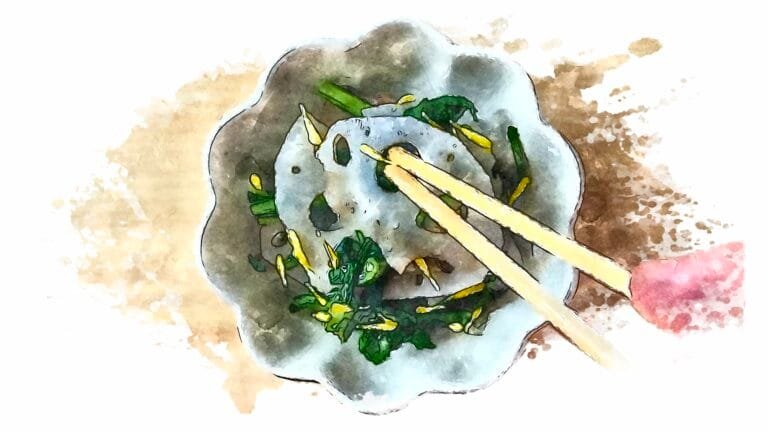
Lotus root and chrysanthemum greens salad being garnished with bright yellow flower petals.

Lotus root is one of the most symbolically rich ingredients in Japanese Buddhist cooking. The lotus itself — renge or hasu — represents the path from ignorance to enlightenment: rooting in mud, finding its path through the depths of the water, finally reaching the surface, blooming into a radiant blossom. This salad pairs renkon with chrysanthemum: both the greens (shungiku) and the blossoms (kiku-no-hana).. Both ingredients are in their nagori season here in Hokkaido — the final weeks before they are gone. The dish is simple and deliberate. It does not ask for much of your time. It asks for your attention, your presence.