Category Recipes

Plant-Based Hanetsuki Gyoza
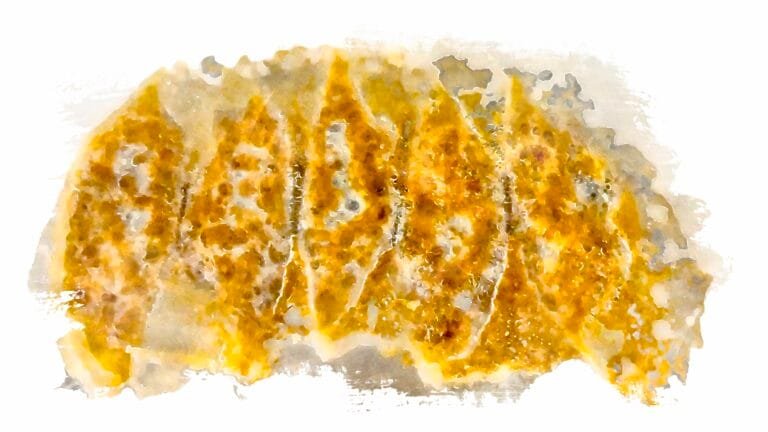
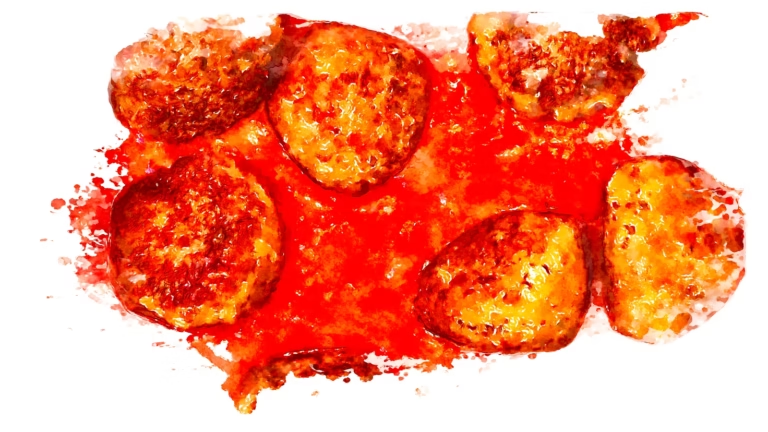
Five pieces of cooked gyoza with a golden crust and lacy wings from the starch in the pan.

Hanetsuki gyoza is perhaps one of the most widely recognized Japanese foods in the world. But few know that before becoming a popular staple in ramen shops across the globe, gyoza were the literal embodiment of the famous saying often dubiously attributed to Hippocrates: "Let food be thy medicine and medicine be thy food.”
Inari Sushi

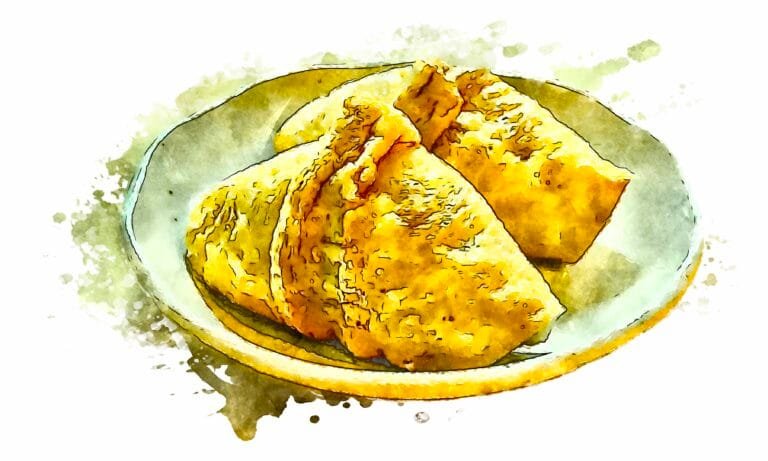
Two pieces of inari sushi filled with rice seasoned with yuzu on an off-white ceramic plate.

Inari sushi is one of Japan's most recognized foods. There are numerous recipes available, each reflecting the regional traditions and individual preferences of the cook who made it. The version I am sharing here draws on the countryside sushi traditions of Kochi Prefecture, where yuzu citrus is folded into the rice alongside the traditional seasonings. It is a subtle addition, but a precise one — and it changes everything.

ITALIAN SHŌJIN SERIES: Tuscan Minestrone Soup

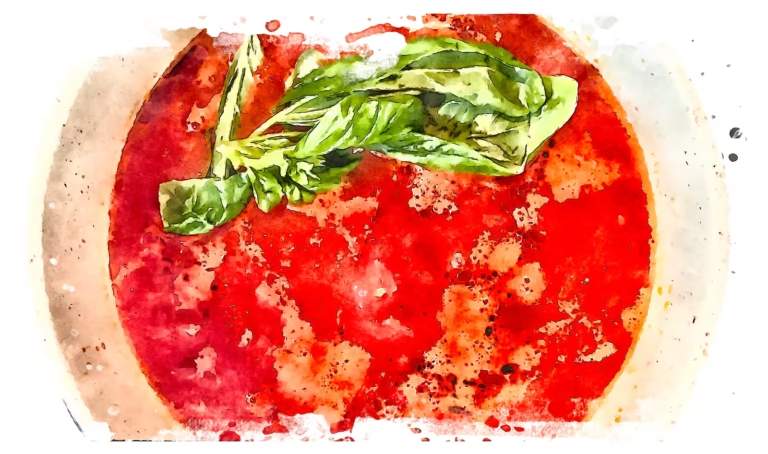
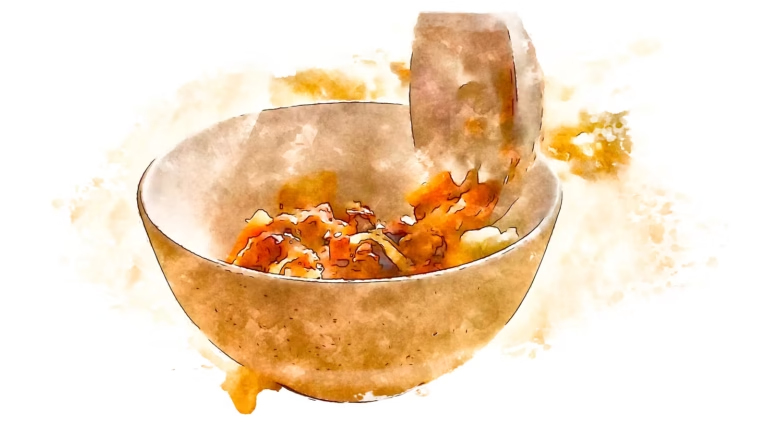
A ladle pouring Tuscan minestrone soup — la ribollita — made with vegetables, black kale, beans, and bread into a ceramic bowl.

La Ribollita — Tuscan minestrone soup — is the cornerstone of "cucina povera" (peasant cooking), originating from the practical necessity of rural life where nothing was allowed to go to waste. Its humble beginnings reflect a time when the resourcefulness of turning simple, seasonal staples like cannellini beans, kale, and day-old bread into sustenance was as much about survival as frugality.

How to Cook Perfect Steamed Japanese Rice

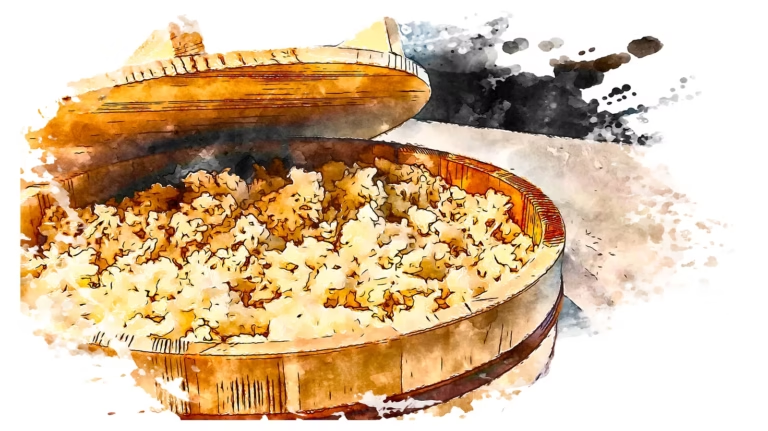
Watercolor image of steamed rice in a traditional Japanese ohitsu rice bucket made from cedar.

僧侶直伝 おいしいごはんの炊き方 In the West, steamed rice is often treated as an afterthought—a filler side dish to support the “main event.” But in Shōjin Ryōri, short-grain Japanese rice is the foundation. It is the canvas upon which the meal is painted.…

ITALIAN SHŌJIN SERIES: Polpette Senza Carne in Sugo

Plant-based Italian-style meatballs in a pool of rich red tomato sauce.

For years, I made traditional polpette—first in my family's kitchen, then professionally at Hearth and Insieme Restaurants in Manhattan under Marco Canora, who had learned his technique from Fabio Picci at Cibreo in Florence. Those meatballs were legendary: fall-apart tender, deeply savory. The challenge was recreating that same texture and depth of flavor without any animal products. Not "pretty good for plant-based." Actually good.

Fuyu Persimmon with Sesame Cream

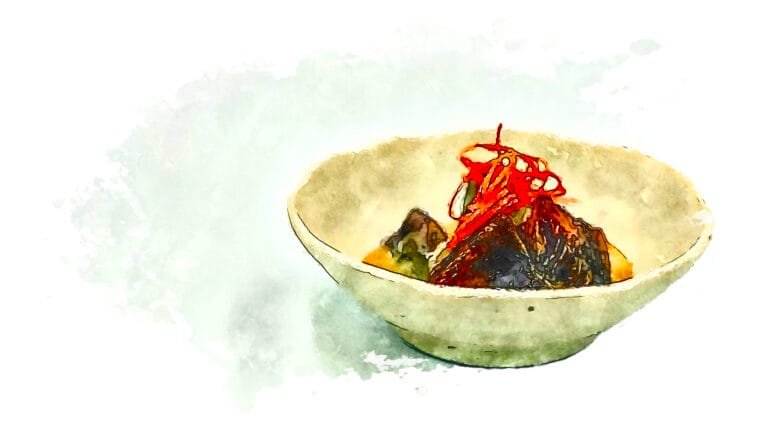
Fuyu persimmon with sesame cream and a garnish of its own skin in an off-white bowl.

Unlike the astringent hachiya variety, fuyu persimmons are eaten firm and crisp, their texture reminiscent of apple yet more delicate. The sweetness is gentle, almost honeyed, with subtle notes of apricot and date. Paired with rich sesame cream—goma (ごま), a cornerstone of temple cuisine—the dish achieves chōwa (調和), a harmonious balance, via an unusual pairing.

ITALIAN SHŌJIN SERIES: Quick-Rise Piadina Flatbread

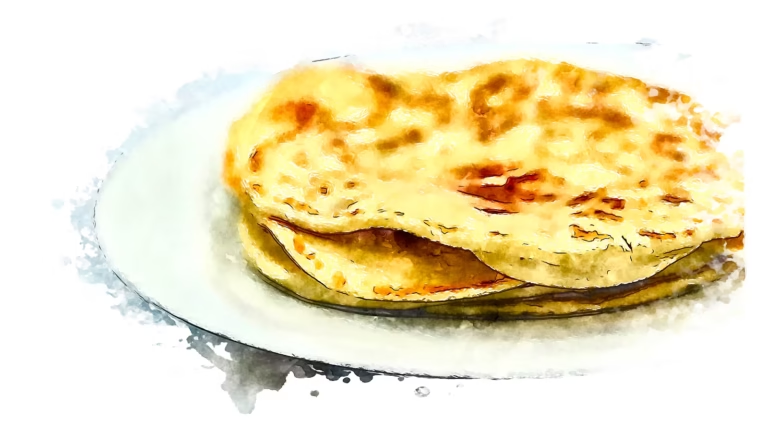
A stack of pan-roasted piadina flatbread on a white plate.

This traditional flatbread recipe is almost austere in its simplicity: soft wheat flour, lard (or olive oil in some coastal areas), water, and salt. Some recipes—like this one—include a small amount of baking soda for slight leavening, but many skip even that. The dough is rolled thin, cooked quickly on a terracotta griddle called a testo (now usually cast iron), and served warm, either as an accompaniment to the meal or stuffed with a variety of fillings and enjoyed as a complete meal on its own.