
栗炊き込みご飯
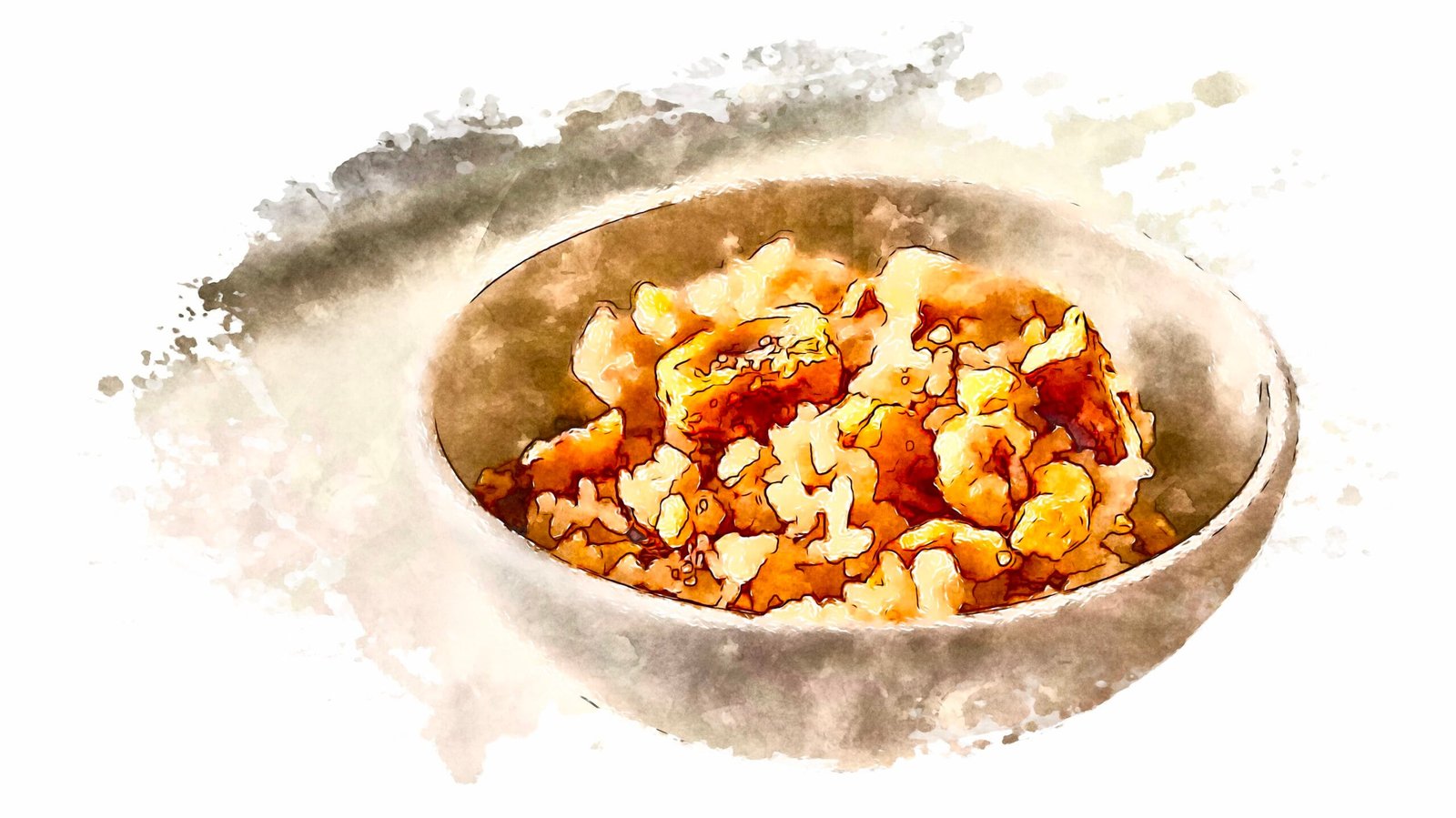
This recipe is a staple of Japanese cuisine in the fall when local fresh chestnuts are abundant in the markets. I came across some recently in a local market in Otofuke, just north where I live in Hokkaido. When I saw them, I knew exactly what to make with them: Kuri Takikomi Gohan (steamed riced with chestnuts).
As I was preparing the chestnuts, I began to wonder why the shells are never used. It seemed highly wasteful, and the liquid left over from boiling them had a beautiful amber color to it. I wanted to find a way to use everything. Stock came to mind as an obvious option, since I needed to add water to cook the rice, why not make stock and substitute it for the water.
It seemed so simple and obvious, that I was curious why this wasn’t part of any of the recipes I had seen for chestnut rice. Steep the shells in the cooking liquid for a short period just like any other dashi and that’s all. I did a little research. It turns out that the reason it isn’t commonly done is that the shells and skin are said to be unappealingly bitter. I tasted the liquid that I had saved from cooking the chestnuts. It was astringent, but certainly not bitter. I decided to give it a try and make the stock.
The result was a lightly aromatic and starchy stock, that wasn’t the least bit bitter. A new standard was set for preparing chestnut rice in my kitchen, one that adhered to the shojin ryori principle of ichibutsu zentai — use a thing entirely, waste nothing.
Recipe Card
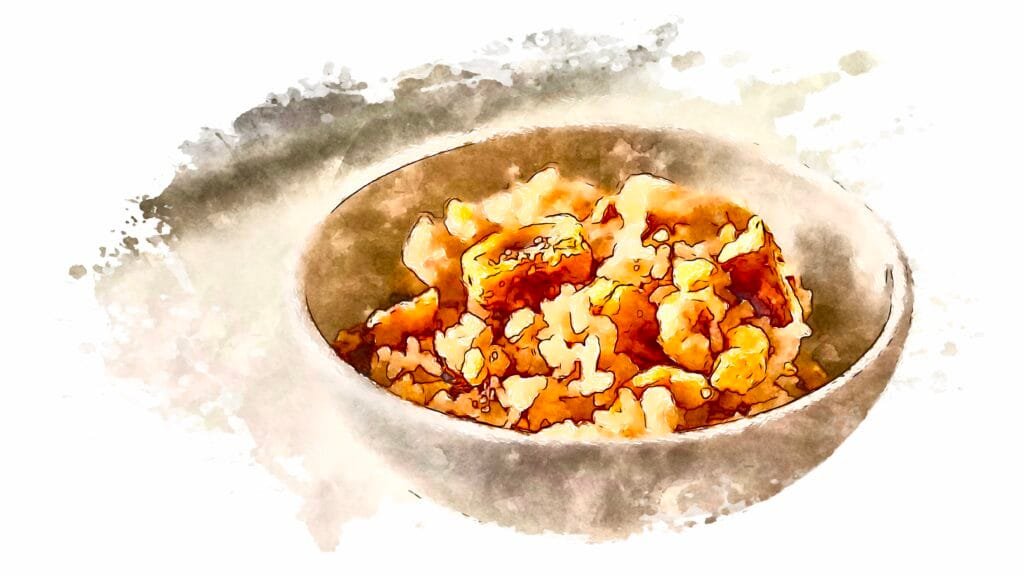
JAPANESE CHESTNUT RICE
PEELED CHESTNUTS
CHESTNUT SHELL STOCK
CHESTNUT RICE
Instructions
PREPARE THE CHESTNUTS. Wash the chestnuts to remove any soil clinging to the shell. Place them in a bowl and pour enough hot water over them to cover. Use a drop lid to keep them thoroughly submerged. Allow them to sit for 5-10 minutes to soften the shell.
COOK THE CHESTNUTS. Strain off the water and set the chestnuts aside until they are cool enough to handle. Use a sharp knife to score the shells, trying not to cut through the meat. This prevents them from exploding while cooking and allows them to cook evenly.
Place the chestnuts into a pot and cover with cold water. Bring to a simmer and cook for about 15 minutes.
Strain the nuts, reserving the cooking liquid. This is the base for the chestnut stock. Wrap them in a clean kitchen towel and leave them to steam for about 5 minutes. Steaming the chestnuts make them easier to peel
Peel the nuts, separating the meat and the shells into separate containers.
MAKE THE CHESTNUT STOCK. Add the reserved shells and any pieces of nuts that are left on the cutting board to the cooking liquid reserved from the previous step. Steep for 1-2 hours.
SOAK THE RICE. Weigh the rice and jot down or remember the weight, you will need the startig weight later.
Pour over some cold water, stir the grains, and pour of most of the water. Next use your hand to gently polish the rice. There are several ways to do this. I like to take a handful of the rice and rub it between my fingers and the palm of my hand. The important thing is the keep in my that you are just trying to apply enough friction to remove any debris remaining on the grains, you don’t want to crush or damage them.
Repeat this process 4-5 times or until the water runs clear when you strain it. Drain the rice well after the last polish, and reweigh it. It will be heavier now because the rice absorbs water as it is being polished.
To calculate how much chestnut stock to add, multiply the original weight of the rice by 1.2. Add this number to the starting weight of the rice and subtract the weight of the rice after it has been polished. The difference is the amount of chestnut stock that needs to be added to the rice.
Strain the stock and add the needed amount to the rice. Add the seasonings — sake, mirin, and sea salt — and the kombu.
Set the rice aside to soak for 1-2 hours before cooking. Properly hydrating the rice ensures that it cooks evenly.
COOKING & FINISHING THE RICE. Set the rice into a rice cooker and cook on the quick setting if your cooker has one (30-minute setting). When the timer goes off, open the lid carefully and allow the steam to escape. Once the steam has escaped, moisten a rice paddle or spatula with some water and fold the rice from the bottom of the pot upward.
Add the cooked chestnuts and use the spatula to gently stir them into the rice.
Serve the rice just as it is, so that the full flavor and texture of the chestnuts come through.