
揚げ出しなす
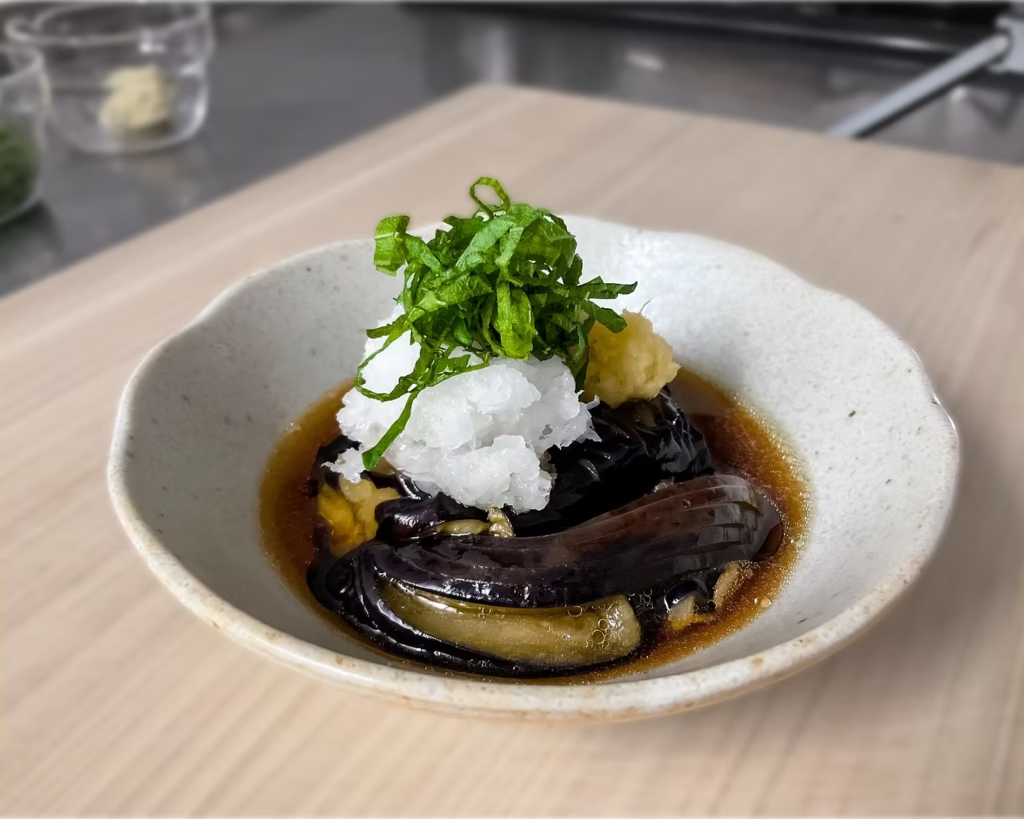
Japanese eggplant, dashi, soy, mirin. Four ingredients — nothing exotic, nothing rare. That is entirely unnecessary. In the hands of an attentive cook, fully present in the moment, this combination produces something that stops you. Agedashi nasu (揚げ出しなす) belongs to one of the oldest and most quietly refined traditions in Japanese cooking: the agedashi technique, in which an ingredient is fried until just golden, then marinated in hot broth that slowly permeates to the core of the dish.
With eggplant, the process is elemental. There is no starch crust—the nasu goes into the oil uncoated, a method called suage (素揚げ), uncoated frying. The exterior caramelizes and softens. The flesh, already sponge-like by nature, opens itself to the broth completely. What emerges is as soft as custard, concentrated in sweetness, cloaked in the clean mineral-umami of kombu dashi. Understated and easy to overlook. Almost impossible to forget once you have tasted it.
Agedashi: Balancing the Meal
This dish sits squarely within shōjin ryōri — Buddhist temple cuisine — where the age-dashi technique fulfills the ageru (揚げ) method, the frying element required by the Goho (五法) framework that structures every well-balanced temple meal. Zen master Eihei Dōgen, writing in the 13th century, instructed the monastic cook to treat humble ingredients with the same attention given to precious ones. Agedashi nasu is that instruction made edible.
The eggplant is the dish. Handled with the intention and reverence it deserves, it reveals the full depth of what it has always had the potential to become.
DASHI MARINATED JAPANESE EGGPLANT
INGREDIENTS:
Eggplant
Dashi
Garnish
INSTRUCTIONS:
- PREPARING THE EGGPLANT. Trim the stem end off of the eggplant. Cut it in half lengthwise and then score the flesh (cut side).
- FRYING THE EGGPLANT. Heat the oils until they begin to smoke. The inclusion of the sesame oil drops the smoking point of the oil down to just above the ideal frying temperature (175°C), but as you add the eggplant the temperature of the oil will drop and the smoking will stop.
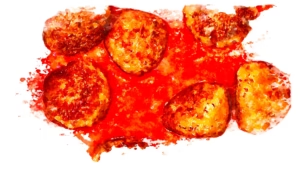
- Add the eggplant pieces to the oil flesh side down. When they are lightly golden brown flip them carefully and cook them on the skin side. When the eggplant is done (4-5 minutes total) transfer it to a plate or tray lined with a clean kitchen towel to absorb residual oil. While the eggplant is draining make the dashi.
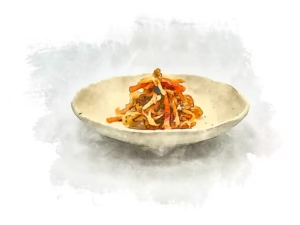
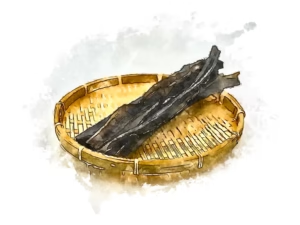
- MAKING THE DASHI. Heat the water and kombu in a small pot over high heat. When bubbles start to form around the edges, remove the kombu and set it aside for another use (there is a link to the perfect recipe for leftover kombu in the video if you haven’t watched it yet). Bring the pot to a boil briefly, then turn off the flame. Add the mirin and soy sauce.
- MARINATING THE EGGPLANT. Transfer the eggplant to a heat resistant container (a mixing bowl or glass container will work) and pour in the seasoned dashi. If the eggplant starts to float and stick out from the dashi, you can use a drop lid (otoshibuta) or small plate to help keep it submerged. Marinate the eggplant at room temperature for 1-2 hours before serving. If you are not planning to eat it immediately after that, you can marinate it for longer periods in the refrigerator. Just remember to take it out and bring it to room temperature for an hour prior to serving.
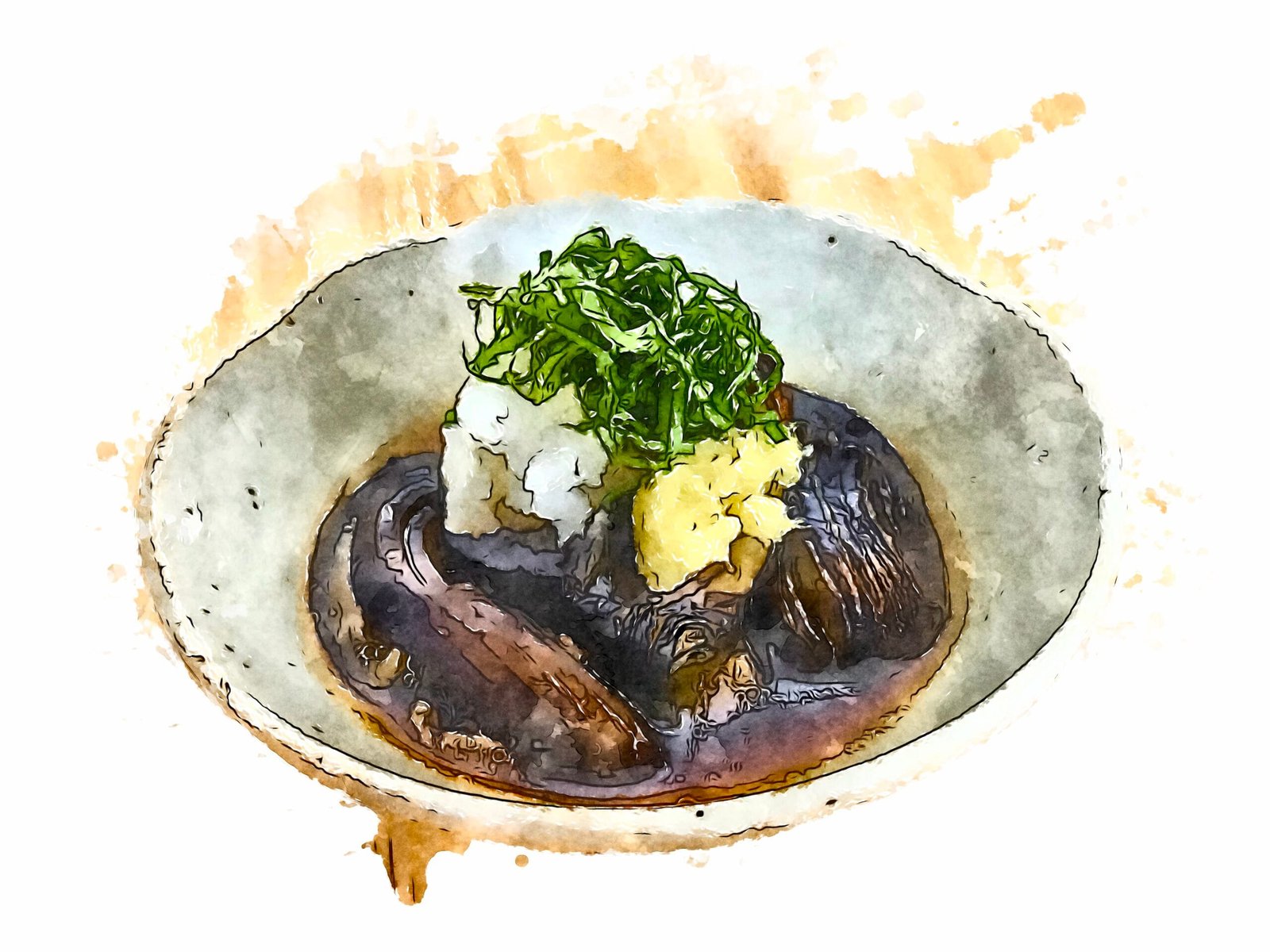
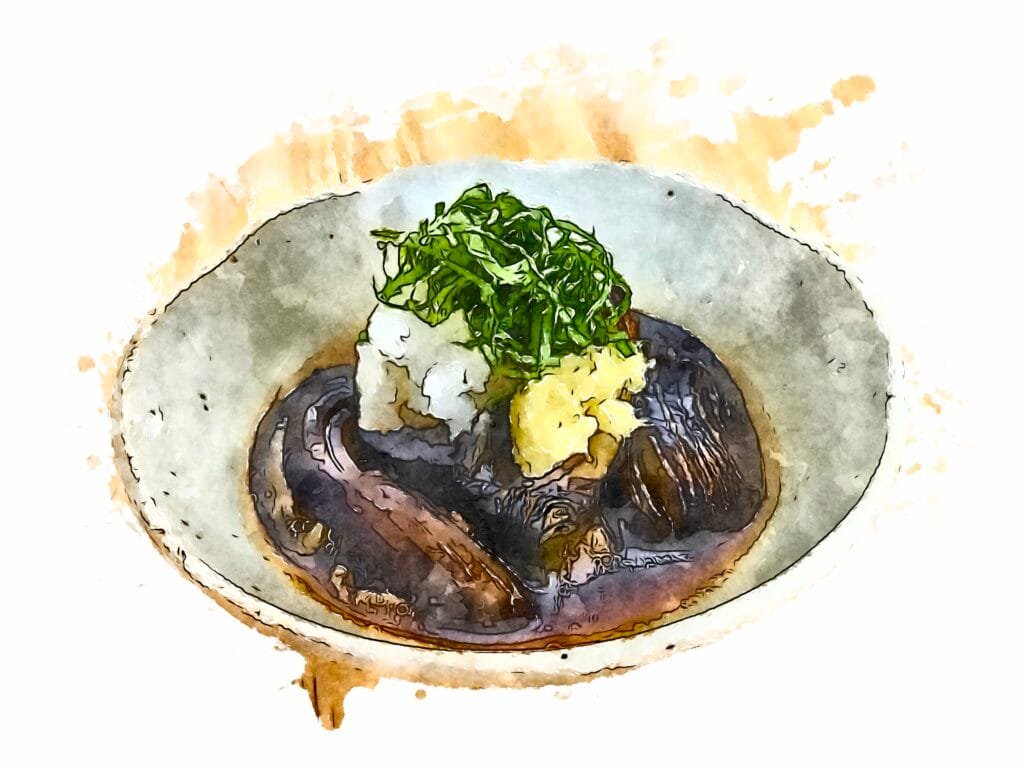
- HOW TO SERVE. Watch the video for a demonstration on how to prepare the garnishes: thinly sliced shiso, grated daikon, and grated ginger. Divide the eggplant equally between three shallow serving bowls. Pour over the marinade, and place small piles of daikon and ginger on top. Finish with a tuft of shiso.