
しいたけだしの取り方
As a chef, I learned that stocks are the literal foundation (from the French word ‘fond’) of cuisine. Consider this simple, no-cook shiitake dashi recipe the first brick as you lay the foundation for your shojin ryori repertoire.
The recipe couldn’t be simpler: No cooking. No complexity. Just two ingredients, intention, and patience.
This stock is perfect for anyone wanting to reduce or eliminate animal products from their diet, but unsure where to begin. It has depth and umami that will leave you wanting for nothing. Use it like any stock: soups, stews, sauces, or cooking grains and never look back.
Three Keys to Perfect Shiitake Dashi
- The Ratio of Mushroom to Water. This recipe goes a bit heavier than many on the ratio of dried shiitake mushroom to water. The amount of dried shiitake that I recommend is 3% of the total weight of water.
- Cold Water Infusion. Not cooking the stock allows the natural unaltered flavor of the mushroom to shine through. Heat would cook off some of the volatile components, resulting in a less impactful stock, especially when it is subjected to heat for a second time when it is utilized in a recipe.
- 24-Hour Extraction. Some recipes suggest that the stock can be used after as little as 3-4 hours. While possible the resulting stock would again be light, and lack the depth that develops over a longer period.
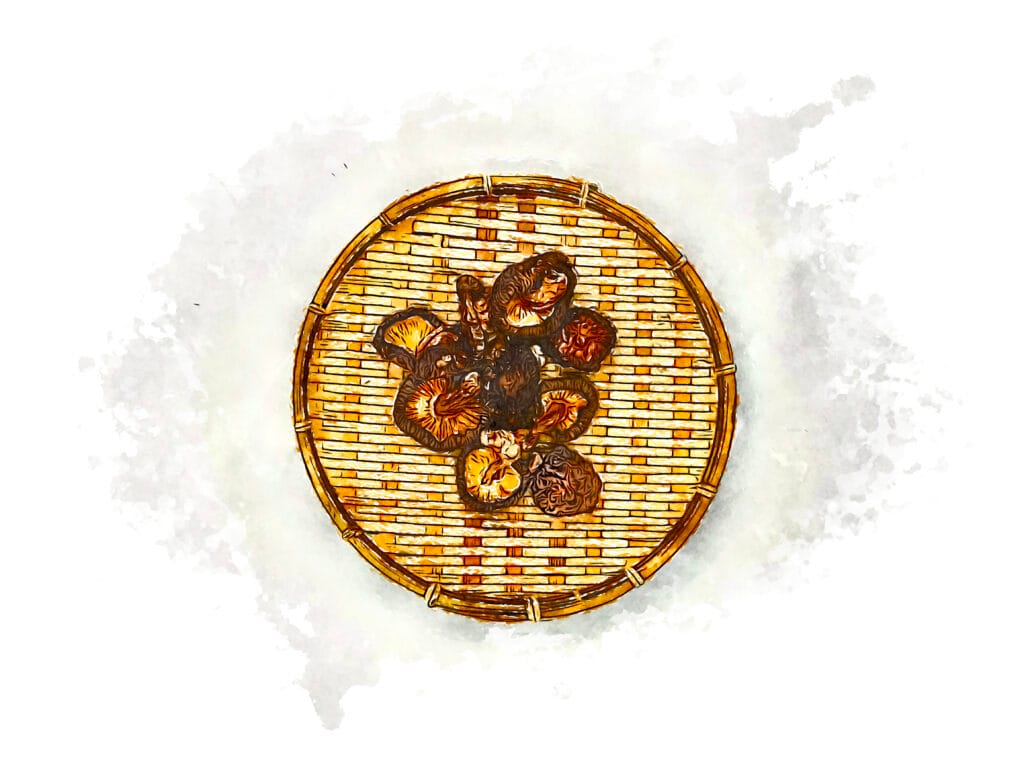
SHIITAKE MUSHROOM DASHI
Ingredients
Instructions
- Place the shiitake in an appropriately sized container. Mason jars work well for cold-infusion stocks, so that you can observe the process. Cover with cold water and refrigerate for 24 hours.
- When the 24 hours have passed, use a ladle or set of chopsticks to remove the rehydrated shiitake. Set them aside for another use.
- The finished stock will hold in the refrigerator for up to 48 hours.
Note
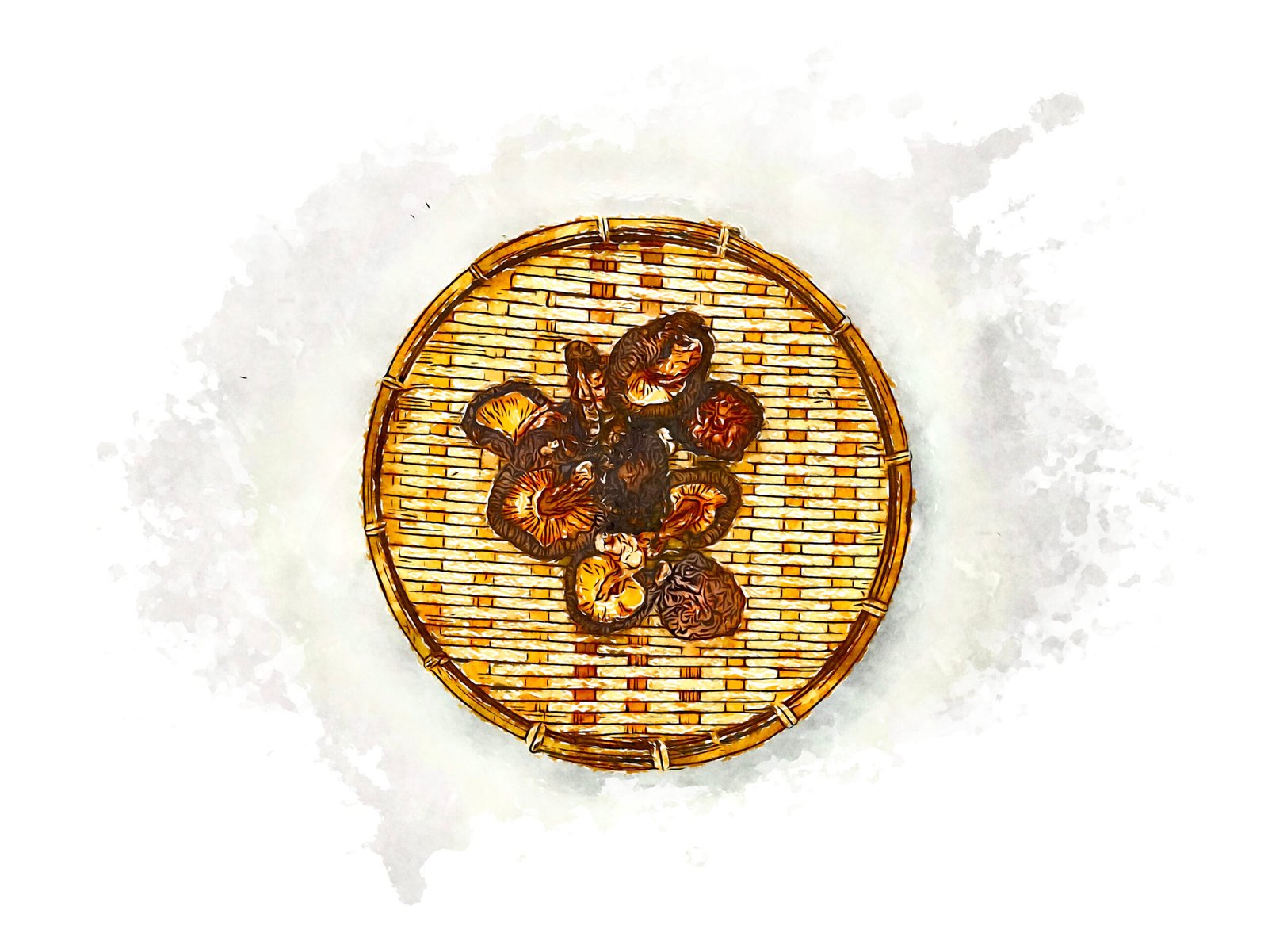
THE BEST VARIETY OF SHIITAKE. If you are lucky enough to find them, use Japanese Donko shiitake. They are slowly grown during the winter, resulting in a dense, meaty texture and depth of flavor and umami other varieties don’t possess. Donko shiitake are distinguishable from other kinds by their closed cap, which conceals their gill structure.