Recipes & Insights

Sanshin 三心: The Three Minds of the Buddhist Kitchen

Slightly faded Japanese characters for san-shin, meaning three minds.

In Sapporo, the winter tap water runs cold, numbing your fingers in seconds. The feeling brings back memories of my time training at Enryaku-ji on Mt. Hiei. But now I am in my own kitchen, surrounded by modern appliances and the sounds of the city. Yet every morning as I wash the day’s rice until the water runs clear, the internal work remains exactly the same. Whether you are a monk in training or a home cook preparing dinner after a long day, the physical act of cooking is the easy part. The real challenge — and the real practice — lies in sanshin, the Three Minds. If the heart is not aligned, the meal is already compromised before the fire is lit.

Shun 旬: The Philosophy of Seasonality

Japanese kanji for shun — the traditional ten-day period when an ingredient is at its peak.

In monastery kitchens time is not measured solely by the clock. It is measured by the moment a bamboo shoot pushes through the soil and reaches for the sun, the color and scent of a fully ripened persimmon ready to be plucked from the tree, or the final days before winter when the last of the year’s crops are harvested and the earth goes dormant. This attentiveness to natural rhythm lies at the heart of shōjin ryōri, and it is expressed through the concept of shun (旬).

What is Shojin Ryori?

Japanese kanji for shojin ryori.

Buddhism arrived in Japan during the 6th century, bringing with it the foundations of this plant-based cuisine, but shōjin ryōri as we know it today crystallized during the Kamakura period (1185–1333) with the rise of Zen Buddhism. In 675, Emperor Tenmu issued an imperial decree banning meat consumption, aligning the nation's diet with Buddhist principles of compassion. This is not passive abstention but deliberate devotion—a practice designed to cultivate holistic well-being of body, mind, and spirit. When the practitioner treats the kitchen as a meditation hall, every choice at the cutting board becomes a teaching on interdependence: our food, our bodies, and the natural world exist in continuous relationship.

ITALIAN SHŌJIN SERIES: Tuscan Minestrone Soup

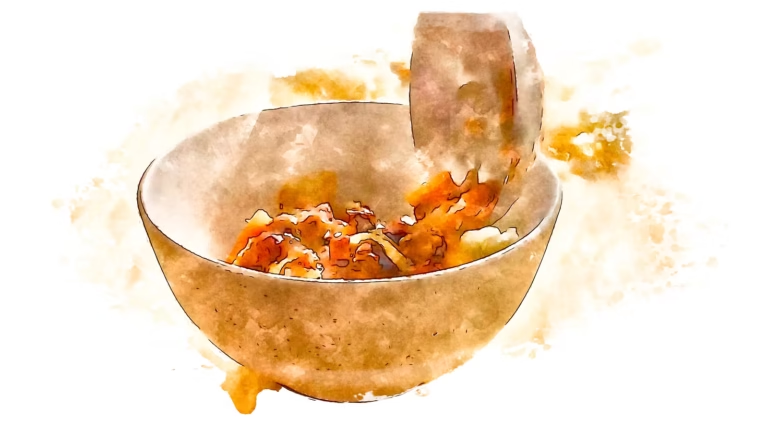
A ladle pouring Tuscan minestrone soup — la ribollita — made with vegetables, black kale, beans, and bread into a ceramic bowl.

La Ribollita — Tuscan minestrone soup — is the cornerstone of "cucina povera" (peasant cooking), originating from the practical necessity of rural life where nothing was allowed to go to waste. Its humble beginnings reflect a time when the resourcefulness of turning simple, seasonal staples like cannellini beans, kale, and day-old bread into sustenance was as much about survival as frugality.

How to Cook Perfect Steamed Japanese Rice

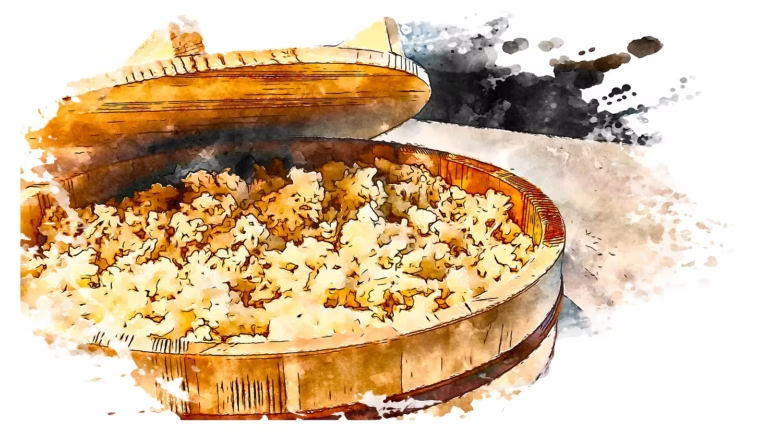
Watercolor image of steamed rice in a traditional Japanese ohitsu rice bucket made from cedar.

僧侶直伝 おいしいごはんの炊き方 In the West, steamed rice is often treated as an afterthought—a filler side dish to support the “main event.” But in Shōjin Ryōri, short-grain Japanese rice is the foundation. It is the canvas upon which the meal is painted.…

ITALIAN SHŌJIN SERIES: Polpette Senza Carne in Sugo

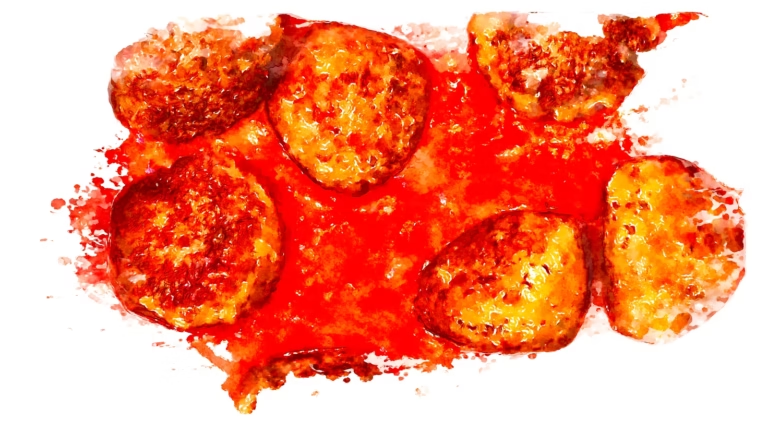
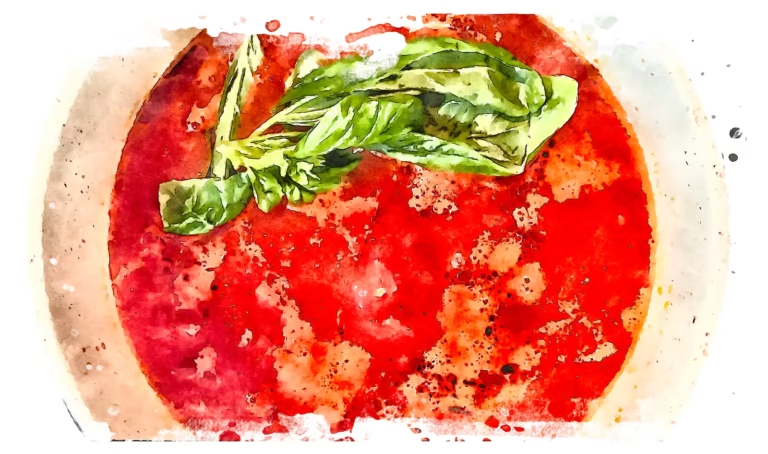
Plant-based Italian-style meatballs in a pool of rich red tomato sauce.

For years, I made traditional polpette—first in my family's kitchen, then professionally at Hearth and Insieme Restaurants in Manhattan under Marco Canora, who had learned his technique from Fabio Picci at Cibreo in Florence. Those meatballs were legendary: fall-apart tender, deeply savory. The challenge was recreating that same texture and depth of flavor without any animal products. Not "pretty good for plant-based." Actually good.

Fuyu Persimmon with Sesame Cream

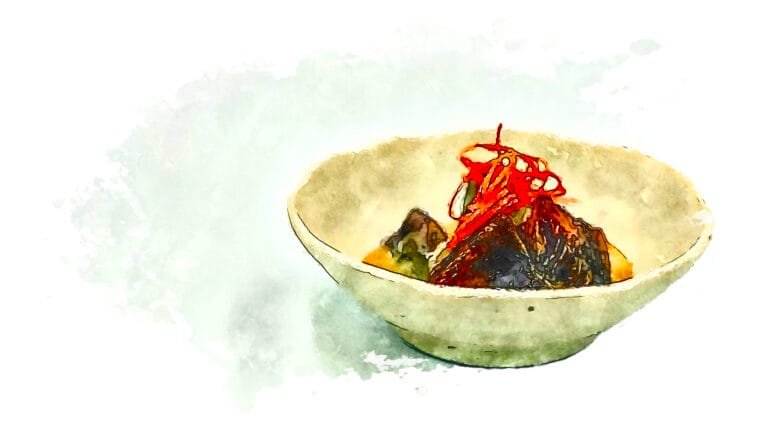
Fuyu persimmon with sesame cream and a garnish of its own skin in an off-white bowl.

Unlike the astringent hachiya variety, fuyu persimmons are eaten firm and crisp, their texture reminiscent of apple yet more delicate. The sweetness is gentle, almost honeyed, with subtle notes of apricot and date. Paired with rich sesame cream—goma (ごま), a cornerstone of temple cuisine—the dish achieves chōwa (調和), a harmonious balance, via an unusual pairing.

ITALIAN SHŌJIN SERIES: Quick-Rise Piadina Flatbread

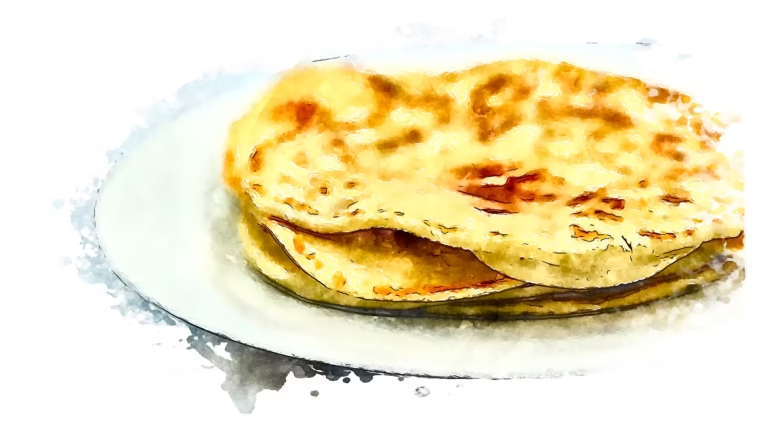
A stack of pan-roasted piadina flatbread on a white plate.

This traditional flatbread recipe is almost austere in its simplicity: soft wheat flour, lard (or olive oil in some coastal areas), water, and salt. Some recipes—like this one—include a small amount of baking soda for slight leavening, but many skip even that. The dough is rolled thin, cooked quickly on a terracotta griddle called a testo (now usually cast iron), and served warm, either as an accompaniment to the meal or stuffed with a variety of fillings and enjoyed as a complete meal on its own.

Okara Fritters with Ponzu

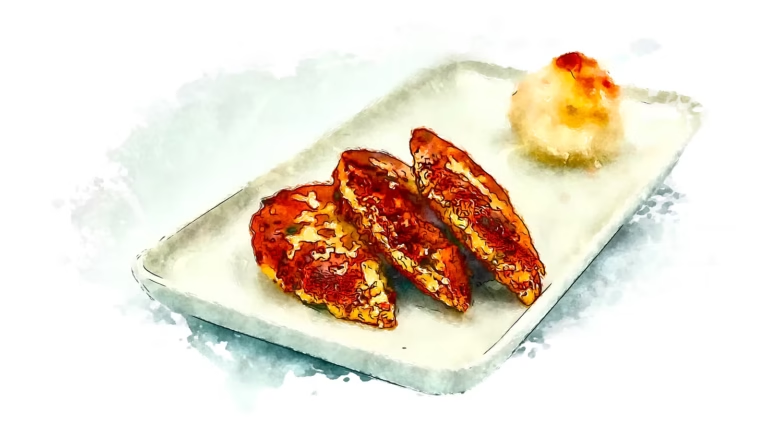
Three golden brown okara (soy pulp) fritters served with daikon, ponzu, and shichimi chili on the side.

Walk into any tofu shop in Japan and you'll see okara. It is the fiber-rich pulp left after making soymilk. Sometimes it's free; other times there's a nominal charge. In the West, most producers throw it away because there's no market demand. Textbook mottainai: wasting the inherent potential of a resource. This recipe puts an end to that.